
Close
You can be brilliant, talented and charismatic, but if you microwave fish in the office pantry, your reputation is toast. That is the power of workplace etiquette. These unwritten (and sometimes painfully obvious) rules shape how people perceive you, how well teams collaborate and how far you progress in your career.
In today’s world of cubicles, coworking spaces, remote setups and video-call fatigue, understanding and applying proper workplace etiquette is more essential (and strategic) than ever. This guide breaks down the what, why and how of modern office etiquette.
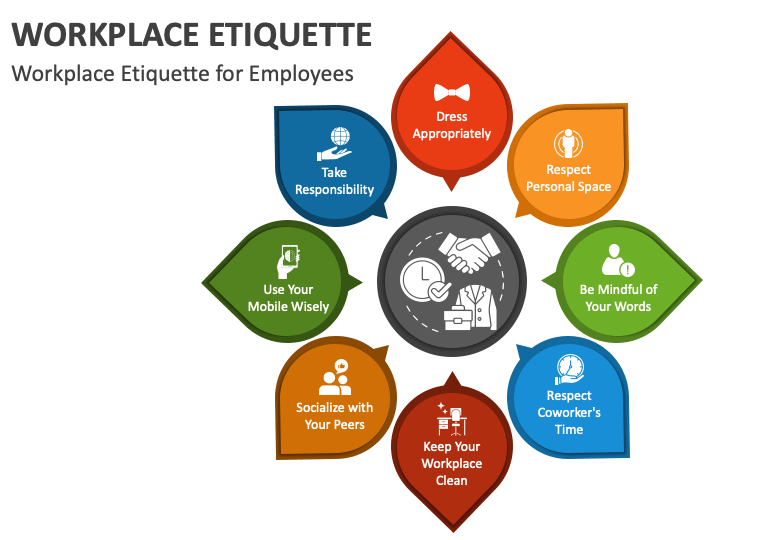
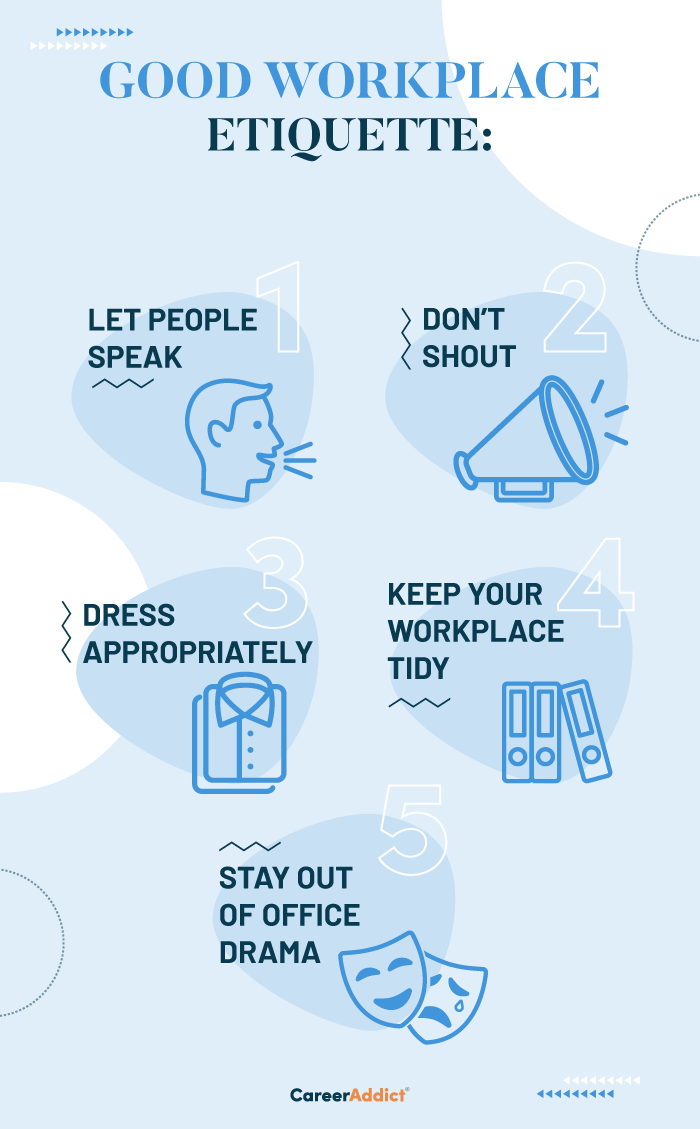 Workplace etiquette refers to the set of rules, behaviours and standards that guide how people interact professionally. If you have ever wondered what is workplace etiquette, here is the simple version:
It is how you show respect, communicate clearly, maintain professionalism and avoid being the person HR politely calls “a learning opportunity.”
It includes everything from office etiquette, professional etiquette, communication etiquette and even what your behaviour looks like when no one’s watching.
Let’s see how:
Two employees miss the same deadline. One proactively informs the team, explains the delay and shares a revised plan. The other stays silent until the manager asks.
Same mistake handled differently.
Etiquette is often the difference between being seen as “reliable under pressure” versus “constantly needs follow-up.”
Think of etiquette as a toolkit — different tools for different situations. Here are the major types of etiquette that shape appropriate workplace behaviour:
Professional Etiquette
How you conduct yourself at work: dress, punctuality, attitude, reliability, work ethic.
Joining a meeting five minutes late every day and casually saying, “Sorry, back-to-back calls,” may seem harmless.
What you intend to communicate is that you are busy. What it actually signals is that your time matters more than everyone else’s.
Professional etiquette is not perfection, none of us are. What matters is awareness, consistency and respect for shared expectations. Occasional lapses are human. Repeated patterns quietly become your professional identity.
Email tone, clarity, active listening, virtual meeting behaviour and cross-functional collaboration.
An email that says, “Need this ASAP,” creates urgency but no clarity. One that explains what is needed, by when and why creates cooperation. The message is the same. The experience is very different.
Respectful interactions, personal boundaries, empathy, cultural awareness and conflict handling.
Not everyone wants to bond over lunch or share personal details at work. Respecting a colleague’s space and preferences is not being distant, it is being professional.
Networking manners, introductions, handshake alternatives (especially post-pandemic) and event behaviour.
Cutting into a conversation to promote yourself may feel confident in the moment, but it is usually remembered as intrusive. Good networking is less about talking and more about listening well and following up thoughtfully.
Cleanliness, hygiene, organization, personal space and not turning your workstation into a shrine of snack wrappers.
Your desk does not need to be spotless, but if it regularly smells, overflows or spills into shared space, it stops being “personal” and starts affecting others.
Device use, screen time during meetings, messaging norms and cyber-respect.
Typing away on your phone during a meeting tells people exactly how engaged you are—even if you insist you were “taking notes.”
Each contributes to what many call office decorum — the invisible thread that keeps the workplace tolerable… sometimes even enjoyable.
 Etiquette is not about being stiff or overly formal. It is about creating an environment where people can work smoothly, collaborate confidently and trust that their colleagues are not going to derail the day with careless behaviour. Good workplace etiquette reduces friction, strengthens relationships and makes daily operations far more efficient.
Most importantly, it shapes your professional reputation. People may not remember every task you complete, but they will remember how you made their workday feel. Consistent courtesy, reliability and respect can take you further than talent alone.
Communication is where etiquette becomes visible. It is also where things fall apart fastest.
Clear respectful communication prevents misunderstandings, builds credibility and keeps projects moving without the drama that fuels office folklore.
 Email is the lifeline of Corporate Communication. It is also the channel where tone goes off track and assumptions multiply effortlessly.
These practical rules can save you from many unnecessary battles:
Why is email etiquette important in the workplace?
It matters because written communication becomes permanent, searchable and occasionally forwarded during crisis meetings.
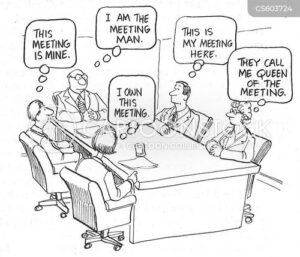
Meetings are where reputations are built quickly. They are also where patience is tested even more quickly.
 Here are a few quick tips:
Good workplace communication etiquette turns meetings from energy drains into productivity machines.

These habits reflect appropriate workplace behaviour and play a major role in how colleagues interpret your reliability.
Every workplace has its own version of the unwritten rulebook. Some rules are formal others are silently expected. Together they create predictable structure that helps the organisation function smoothly.
Common office rules include:
These expectations form the foundation of good office etiquette or proper workplace etiquette.
These small acts repeated daily build strong workplace culture:
A useful question to remember is this. Would a reasonable person find this behaviour annoying. If yes then skip it.
If you are ever unsure, ask yourself:
“Would this behaviour annoy a reasonable human being?”
If yes, stop.
Remote work did not make etiquette optional. It made it more visible.
Professional Etiquette for Remote Work
Professional Standards for Hybrid Teams
Digital professionalism is the new currency.
Once you have mastered the basics, here’s how to upgrade to leadership-level professionalism:
Remember names, follow up thoughtfully and offer support without being prompted.
Pause before reacting, read non-verbal cues and handle tense conversations with calm clarity.
Control your time, energy, and boundaries — the trifecta of modern work.
Share achievements in a balanced manner that informs rather than competes.
Know when to speak and when to remain silent. That is the most strategic choice.
This is how you shift from employee etiquette to executive presence.
 Modern workplaces are diverse and global. Sensitivity is the new norm.
Here are a few ways to build this mindset:
This is a critical part of appropriate workplace behaviour.
Technology etiquette is not just about knowing the latest tools. It is about using them respectfully.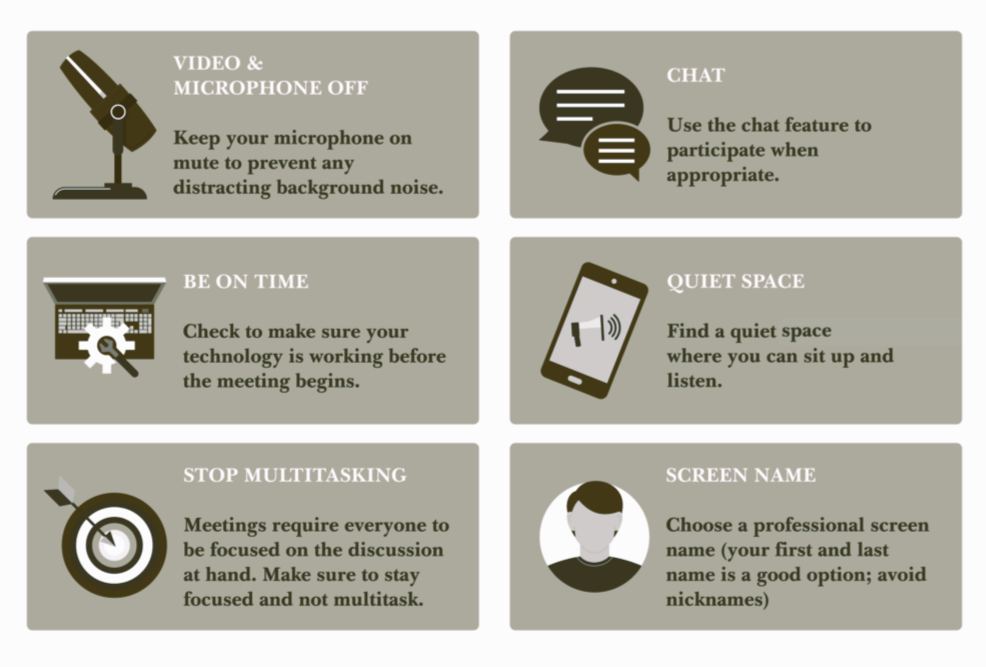
Here are practical ways to show it:
Technology makes work easier — unless we misuse it.
Workplace etiquette raises many questions because expectations vary across organisations, teams and cultures. These are the most common questions people ask when they want to build credibility and avoid unintentional missteps.
What are the most common workplace etiquette mistakes?
The biggest mistakes usually come from small habits that slip under the radar. Interrupting colleagues, arriving late, ignoring messages, multitasking in meetings, gossiping, sending poorly worded emails, oversharing personal issues or showing a lack of respect for others time and boundaries.
Why is email etiquette important in the workplace?
Because it prevents misunderstandings, saves time, reflects professionalism and acts as permanent written documentation.
Poorly written messages create confusion that wastes time.
What is considered disrespectful behaviour at work?
Talking over others, gossiping, ignoring communication, dismissive tone, rude body language, violating boundaries or breaking office rules.
How does professionalism relate to workplace etiquette?
Professionalism is the larger principle. Workplace etiquette is the daily expression of that principle.
Professionalism is about who you are at work. Etiquette is about how that identity shows up in your behaviour.
One can’t exist without the other.
Workplace etiquette is not a set of rigid rules designed to police behaviour. It is a practical guide for working well with others and building a reputation that opens doors. It influences how confidently people collaborate with you, how leaders perceive your reliability and how far your career can truly go.
These habits are simple. Their impact is not. When you communicate clearly, respect boundaries, stay consistent, manage yourself well and treat everyone with dignity, you become the colleague people trust.
You become the professional, leaders rely on. You become the individual whose presence improves the room instead of draining it.
Mastering these behaviours does not require perfection. It only requires awareness, intention and the willingness to behave in a way that supports both your success and the success of those around you.
Connect with us to explore training and coaching solutions that help your people show up at their best, work with greater confidence and create workplaces where respect and performance go hand in hand.
Let us help you turn etiquette into a competitive advantage.
At The Yellow Spot, we design training and coaching solutions that turn unspoken rules like email, meeting and digital etiquette into visible, consistent workplace habits.
🌐 www.theyellowspot.com
📧 info@theyellowspot.com
📞 India: +91 99677 14310 / +91 87792 84314