
Close
Great ideas deserve great delivery. You might have deep expertise, powerful data or an innovative solution, but without strong presentation skills, your message may never land the way it should.
The world is changing faster than ever. We proudly call this the digital age. Presentations were important earlier and they remain equally important today. So what changed? How we create them. AI tools like Microsoft Copilot can now help build presentations in minutes, reducing manual effort significantly. These tools can handle structure and design, but can they replace the human ability to communicate, engage and influence through effective presentation skills?
Let’s explore what presentation skills are, why they matter and how you can improve them.
 At its core, a presentation is the process of sharing ideas, information or perspectives with an audience in a structured and meaningful way. It is not limited to slides, visuals, or speaking in front of a room full of people. A presentation can happen in boardrooms, client meetings, classrooms or even virtual platforms.
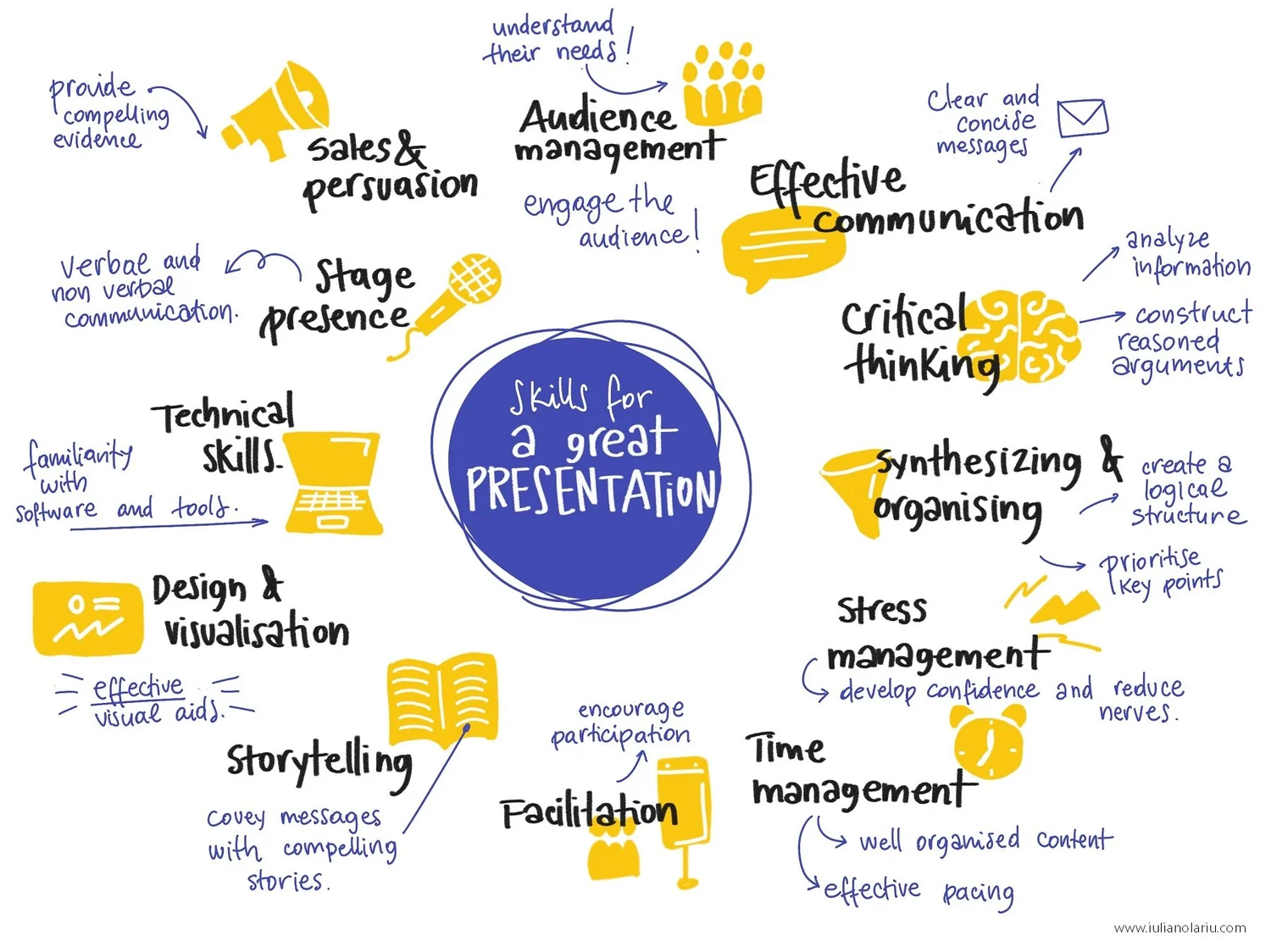
When we talk about presentation skills, we are referring to the ability to organise thoughts clearly, communicate messages confidently and engage audiences effectively. It involves verbal communication, body language, storytelling and the ability to simplify complex information so that it is easy to understand and remember.
Strong presentation skills in communication ensure that your message does not just reach the audience but also resonates with them.
In today’s professional world, knowing your subject is no longer enough. How you communicate your knowledge often determines how people perceive your credibility and expertise.
Presentation skills are important because they help professionals express ideas clearly, influence decisions and build trust. Whether you are pitching an idea, leading a meeting or sharing insights with your team, your ability to present effectively shapes outcomes.
They also play a crucial role in leadership development. Leaders are expected to inspire, motivate and guide others. Strong presentation ability helps leaders communicate vision, align teams and drive results.
Improving presentation skills creates a ripple effect across multiple areas of professional and personal growth. Let us see how:
It Builds Confidence

Regular practice and better and newer communication techniques increases self-assurance while speaking in front of others.
The more we practise expressing our ideas clearly, the less intimidating it feels to speak up. Say you are steering a meeting, your confidence and clarity of thoughts keeps you focused and your meeting is a success.
It Enhances Professional Presence

When you present your ideas clearly and with structure, people begin to see you as someone who knows what they are talking about.
Whether you are sharing updates, pitching an idea, or presenting results, your ability to communicate well makes you come across as credible, dependable and influential. Over time, people start looking up to you for direction and insight.
It Improves Audience Engagement

Strong presentation skills help you hold people’s attention and keep them interested in what you are saying. Instead of just sharing information, you start connecting with your audience.
For example, when you simplify complex ideas or use relatable examples, people understand you better. And more importantly, they remember what you said.
It Strengthens Persuasion and Influence

When your ideas are presented clearly and confidently, it becomes much easier to get people on board.
Whether you are proposing a new initiative, convincing a client or motivating your team, effective presentations help you communicate your vision in a way that inspires action rather than resistance.
It Supports Career Growth

Professionals who communicate well tend to stand out in any organisation. When you can present ideas clearly, contribute meaningfully in discussions and represent your team or organisation effectively, you naturally gain visibility. This often leads to greater responsibilities, leadership opportunities and faster career progression.
Many people wonder how to give a presentation that is engaging, clear and memorable. While there is no single formula that works every single time, strong presentations often come down to getting three things right:
Clarity of Purpose
Every good presentation starts with knowing exactly why you are presenting in the first place. Are you trying to inform, persuade, inspire, or drive action? When you are clear about what you want your audience to understand, feel or do, it becomes much easier to structure your message.
Without that clarity, presentations often end up sounding scattered and unfocused. But when your purpose is clear, your message becomes sharper and far more impactful.
Understanding the Audience
A presentation becomes powerful when it feels relevant to the people listening to you. When you understand your audience, their expectations, challenges and how much they already know about the topic, you can tailor your content in a way that connects with them.
For example, the way you present to senior leaders will be very different from how you present to a team that is just learning about a topic. The closer your message is to your audience’s reality, the stronger your impact becomes.
Effective Delivery
What you say is important, but how you say it often makes the bigger difference. Your voice, pace, energy, body language and the way you interact with your audience all influence how your message is received.
 A simple yet powerful example is Apple’s iPhone launches. During the recent iPhone 17 launch, Apple used the catchy phrase, “The most powerful iPhone ever.” Instead of overwhelming audiences with technical details, they relied on a strong punchline that captured attention instantly. Nothing elaborate, just a clear, compelling message that made the product easy to understand and exciting to experience.
Did you think that delivering a strong presentation is about memorising scripts or following rigid rules?
It is actually about building habits that help you connect with your audience and communicate your message clearly. Here are some practical tips that can make a noticeable difference:
Maintain Eye Contact While Presenting and Smile
Eye contact helps you build trust and connection with your audience. When you look at people while speaking, it makes your message feel more personal and sincere. Adding a natural smile creates warmth and helps you appear confident and approachable. And yes, ensure that you are looking at the entire audience not just one or two people.
Use Gestures and Facial Expressions
Your body language plays a powerful role in communication. Natural hand gestures and expressive facial movements help emphasise key points and make your presentation more engaging. When used well, they support your message instead of distracting from it.
Avoid Distractions
Unnecessary movements, overuse of slide animations or cluttered visuals can easily take attention away from your message. Keeping things simple and focused helps your audience stay engaged with what truly matters.
Be Prepared: Practice Makes Perfect
Preparation is one of the strongest confidence boosters. Practising your presentation helps you organise your thoughts, manage time effectively and identify areas where your delivery can improve. The more comfortable you are with your content, the more naturally you can present it.
Be Confident
Confidence is reflected through posture, tone of voice and clarity of expression. It is completely normal to feel nervous, but when you focus on your message and audience rather than your fear, confidence begins to show naturally.
Create an Effective Beginning
The first few moments of your presentation set the tone for everything that follows. Start with a relatable story, preferably yours. That instantly breaks ice.
Use thought-provoking questions or maybe an interesting fact. That will help capture attention and encourage your audience to stay engaged.
Speak Freely
The most common mistake most people do is reading directly from slides or notes. This makes your presentation sound mechanical and disconnected.
Instead, speak conversationally. This will make you sound authentic and allows you to build a stronger connection with your audience.
And yes involve the audience as much as you speak. When people feel included in the conversation, they are more likely to stay engaged and interested.
Avoid Filler Words
Words like “um,” “uh,” or “you know” can reduce clarity and distract listeners. Replacing filler words with short pauses gives you time to think and adds impact to your message.
Bring Along Something to Share
Using real examples, demonstrations or props can make your presentation more relatable and memorable.
For instance, if you are presenting on time management, instead of only explaining techniques, you could show a simple daily planner or a time management matrix. When the audience can see how the tool actually works, the concept becomes easier to understand and apply.
Use Different Types of Media
Visuals, short videos or graphics can help explain ideas more effectively than words alone. When used thoughtfully, they support your message and keep audiences interested throughout the presentation.
Use Effective Pauses
Pauses are often underestimated, but they are extremely powerful. They allow your audience to absorb information and help highlight important points. A well-placed pause can sometimes communicate more than continuous speaking.
Speak the Language of the Audience
Adapting your tone, examples and terminology based on your audience’s understanding helps your message connect better. When people feel that you are speaking their language, they are more likely to engage with your ideas.
Engage with the Audience
Encouraging questions, inviting opinions or creating small interactive moments keeps your audience involved. Engagement turns presentations into conversations rather than one-way communication.
Don’t Fight Stage Fright and Take Deep Breaths
Feeling nervous before presenting is completely natural. Instead of trying to eliminate nervousness, learn to manage it. Taking slow, deep breaths helps calm your mind and steady your voice.
Choose the Right Angle While Standing During a Presentation
Positioning yourself slightly angled rather than standing directly in front of your slides ensures that visuals remain visible while allowing you to stay connected with your audience.
Improving presentation skills is not something that happens overnight. It is a continuous learning process that improves with awareness, practice and feedback.
Practice Regularly

The more frequently you present, the more comfortable you become. Regular practice helps you improve clarity, reduce hesitation and develop a natural speaking style.
Seek Constructive Feedback

Feedback from colleagues, mentors or trainers can provide valuable insights into your strengths and areas that need improvement. Honest feedback helps you grow faster and refine your presentation approach.
Record and Review Yourself

Recording your presentations allows you to observe your body language, tone and pacing objectively. It helps you notice patterns that you may not realise while presenting.
Develop Storytelling Skills

Stories help people connect emotionally with your message. They make information easier to understand and far more memorable. Learning to structure information through stories can significantly improve presentation impact.
Observe Skilled Presenters

Watching experienced speakers can provide practical learning opportunities. Observing how they structure content, engage audiences and manage delivery helps you develop your own presentation style.
Presentation skills play a central role in professional communication. They help transform ideas into meaningful conversations and support collaboration across teams and organisations.
In modern workplaces, strong presentation skills are considered essential because they support leadership communication, stakeholder management and relationship building. Professionals who present well are often able to influence decisions more effectively and create stronger professional connections.
 Presentation skills go far beyond the ability to speak in front of an audience. They combine clarity of thought, confidence, storytelling and audience engagement to create meaningful communication experiences.
While technology and AI tools continue to make presentation creation faster and easier, the human ability to connect, influence and inspire remains irreplaceable. By consistently working on presentation skills, professionals can strengthen their communication impact, enhance career growth and ensure that their ideas are not just heard, but remembered.
To know more about how The Yellow Spot can help you on your Learning journey, Visit ‘https://www.theyellowspot.com’ for more info or reach out at info@theyellowspot.com / India: +91 99677 14310, +91 87792 84314
#leadership skills # Efective Presentation Training # Customer Centricity # Effective Communication # corporate training # best corporate training companies # Time Management #softskillstraining #salesefficiencytraining #Pesonaleffectivenesstraining