Communication is at the heart of how humans connect, collaborate, and create outcomes. There are several types of communication skills training. Whether it is a conversation at home, a classroom discussion, or a business presentation, communication shapes understanding and relationships. In today’s fast-paced world, types of communication skills play a decisive role in personal success, academic achievement, and professional growth. Yet, communication failures remain one of the most common reasons for conflict, disengagement, and poor performance.
 Communication skills refer to the ability to convey information, ideas, thoughts, and emotions clearly while also accurately understanding messages from others. These skills include speaking, listening, writing, observing, and interpreting non-verbal cues.
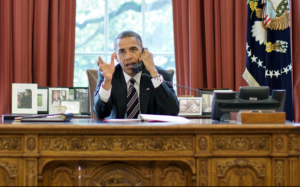
When Barack Obama rose as a political leader, his success was not driven only by policy knowledge but by his ability to communicate complex ideas in simple, relatable language. His speeches combined clarity, empathy, and structure—demonstrating how strong communication skills build trust and influence at scale.
The importance of communication skills extends far beyond workplace success. Communication influences every area of life, from relationships to leadership to learning.
In daily life, communication skills help individuals express needs, emotions, and opinions effectively. Healthy relationships depend on clear and respectful communication. When people struggle to communicate, misunderstandings, conflicts, and emotional distance often follow.
Good communication skills support:
Effective communication improves the quality of life by helping individuals connect meaningfully with others.
In corporate environments, communication skills are closely linked to performance, teamwork, and leadership effectiveness. Professionals who communicate clearly are better able to collaborate, influence decisions, and manage responsibilities.
In the workplace, effective communication skills help with:
Employees with strong communication skills are often perceived as more competent and reliable, making communication a key career differentiator.
For students, communication skills are foundational to academic success and personal development. The ability to articulate ideas clearly, ask questions, and participate in discussions enhances learning outcomes.
Communication skills help students with:
Students who develop communication skills early are better prepared for higher education and professional environments.
In business and organizational contexts, communication directly impacts productivity, customer relationships, and brand reputation. Leaders and teams rely on effective communication to align strategy with execution.
The importance of communication in business includes:
Companies like Apple rely heavily on visual and verbal communication. Product launches are designed to simplify complex technology into clear, compelling narratives—proving that communication skills drive customer connection and market success.
The digital age has transformed how people communicate. Emails, video calls, messaging apps, and social media now dominate interactions. While these tools increase speed, they also increase the risk of misinterpretation.
Effective communication skills in the digital age involve:
Strong communication skills help individuals remain professional, clear, and respectful in virtual environments.
There are four main types of communication skills that individuals use in different contexts. Understanding these communication skills types helps people choose the right approach for each situation.
Verbal communication involves spoken words used to convey messages. This includes face-to-face conversations, phone calls, meetings, and presentations.

Effective verbal communication skills require:
Examples of verbal communication skills include explaining concepts, participating in discussions, and presenting ideas to an audience. Strong verbal communication helps build influence and clarity.
Non-verbal communication refers to messages conveyed without words. This includes body language, facial expressions, gestures, posture, and eye contact.
Non-verbal cues often communicate emotions and attitudes more powerfully than words. For example, crossed arms may signal defensiveness, while eye contact conveys confidence and attentiveness.

Good non-verbal communication skills support:
Effective communicators align their verbal and non-verbal messages to avoid mixed signals.
Visual communication involves using images, symbols, charts, graphs, and videos to convey information. In modern workplaces, visual communication is increasingly important.
Examples include:
Visual communication skills help simplify complex information and improve understanding, especially when dealing with data or large audiences.
Written communication includes emails, reports, messages, proposals, and social media content. Strong written communication skills are essential in both academic and professional contexts.
Effective written communication involves:
Good written communication skills ensure that messages are understood as intended and leave little room for misinterpretation.
Improving communication skills is a continuous process. Below are practical steps to build effective communication skills over time.
Before you say a word, your body has already spoken.If you’re slouching, avoiding eye contact, or folding your arms during that team presentation, your message screams “I’m not confident” even if your words are brilliant.
Try this: stand upright, keep your shoulders open, nod occasionally, and use natural hand movements to emphasise key points. Confidence is often seen before it’s heard.
Long explanations don’t equal clarity; they usually equal confusion.
When presenting your idea, don’t start with the history of how you got the idea in the shower three weeks ago.
Try this: lead with the headline—“I’m proposing X because it will solve Y.” Add details only if needed. Respect people’s time; they’ll respect your message.
Most people listen to reply, not to understand.
When your manager asks a question, if you’re already rehearsing your defence, you’ll miss the real concern behind the question.
Try this: pause, listen fully, paraphrase—“So you’re concerned about timelines, right?”
This alone can upgrade your communication instantly.
Good speakers are usually good readers.
Reading helps you structure thoughts, find the right words, and avoid sounding repetitive or vague.
Try this: read articles, blogs, or books related to work and leadership. You’ll notice your emails, presentations, and conversations becoming clearer without conscious effort.
Communication is a skill, not a talent. Skills need reps.
The more you discuss ideas with colleagues, the better you get at explaining, defending, and refining them.
Try this: after meetings, discuss key points with a peer. Low-stakes practice builds high-stakes confidence.
You can disagree without being disagreeable.
In that presentation, if someone challenges your idea, rolling your eyes or cutting them off kills trust instantly.
Try this: acknowledge first—“That’s a fair point”—then respond. Respect doesn’t weaken your position; it strengthens it.
One message does not fit all.
The way you explain an idea to your team should differ from how you explain it to senior leadership.
Try this: ask yourself—What does this audience care about most? For managers, it’s impact, risk, and results. Speak their language.
If it’s important, say it more than once—strategically.
People don’t miss messages because they’re careless; they miss them because they’re overloaded.
Try this: highlight the core message at the start, reinforce it in the middle, and summarise it at the end. Repetition builds retention, not boredom.
Blind spots don’t disappear on their own.
You may think you’re clear, but others may find you rushed, vague, or overly detailed.
Try this: ask one trusted colleague—“What’s one thing I can improve in how I communicate?”
Brace yourself. Growth lives on the other side of mild discomfort.
Great communicators aren’t born; they’re built.Every meeting, email, and conversation is practice—whether you use it or waste it.
Try this: reflect briefly after key interactions—What worked? What didn’t? What will I do differently next time?Consistency beats intensity. Always.
The key lies in developing effective communication skills and applying them appropriately.
Some widely recommended books for developing communication skills include:
These books provide practical communication skills examples and techniques.
Interactive games can make communication learning engaging and practical. Examples include:
Such activities help build confidence, listening skills, and clarity.
Understanding the types of communication skills is essential for success in life, education, and work. Communication is not a single skill but a combination of verbal, non-verbal, visual, and written abilities that work together to create meaning.
The importance of communication skills lies in their ability to build relationships, improve performance, and support personal and professional growth. By consciously working on communication skills types and applying practical improvement strategies, individuals can become more confident, effective, and influential communicators.
In a world driven by connection and collaboration, communication skills are not optional—they are essential.


Blue Arch CHS, Louis School Lane, Four Bungalows, Andheri West, Mumbai – 400053