Have you ever noticed how two people can face the same situation and walk away with completely different learnings? One feels defeated, the other feels motivated. The difference is rarely talent, luck, or circumstance—it’s positive attitude. Understanding what positive attitude is and learning how to develop positive attitude can quietly but powerfully shape how you handle setbacks, relationships, and success. A positive attitude is not about pretending everything is fine; it’s about choosing a constructive response when things aren’t.
And the good news? Developing positive attitude is a skill you can build, not a personality trait you’re born with.
A positive attitude is the mindset that allows individuals to approach situations with optimism, responsibility, and openness—even when outcomes are uncertain. The positive attitude definition goes beyond “thinking happy thoughts.” It involves how we interpret events, speak to ourselves, and respond to people and problems.

People with a positive attitude:
When Nick Vujicic, a globally known motivational speaker born without arms and legs, faced life without limbs, his circumstances could have easily led to bitterness. Instead, by consciously developing a positive attitude, he reframed adversity into purpose. His story is a powerful example of how attitude—not circumstance—shapes outcomes.
Developing positive skills is not about forcing optimism or suppressing negative emotions. It is about building mental, emotional, and behavioural habits that help you respond constructively to situations—especially difficult ones. Positive skills are learned through awareness, practice, and consistency.
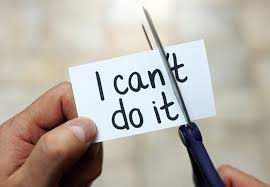
The first step in developing positive skills is noticing how you think, especially under pressure.
Most negativity operates on autopilot:
Positive skill development begins when you pause and observe these thoughts instead of immediately believing them. Awareness creates choice. Without awareness, attitude cannot change.
Practice:
At the end of the day, reflect on one situation that triggered frustration. Ask yourself: What story did I tell myself about this situation?
Positive skills do not require denying problems. They require reframing how problems are viewed.
Instead of:
Reframing shifts focus from blame and helplessness to learning and action. Over time, this habit strengthens emotional resilience and reduces reactivity.
Key point:
Positive thinking is not blind optimism; it is constructive realism.
Positive skills depend heavily on how well emotions are managed, not avoided.
When emotions run high—anger, fear, disappointment—decision-making suffers. Developing positive skills involves learning to:
Practice:
When emotionally triggered, take a short pause and label the emotion: “I’m feeling frustrated.”
This simple act reduces intensity and restores control.
The way you speak to yourself shapes your confidence and behaviour.
Negative self-talk (“I always mess this up”) weakens motivation. Positive self-talk does not mean exaggeration; it means fairness and balance.
Replace harsh internal dialogue with realistic encouragement:
Over time, consistent positive self-talk strengthens belief and persistence.
Positive attitude is easier to sustain when core soft skills are strong.
Key skills that reinforce positivity include:
When people lack these skills, frustration often turns into negativity—not because of attitude, but because of helplessness.
Positive skills are influenced by environment as much as mindset.
Surrounding yourself with:
makes positive behaviour easier to maintain. Constant exposure to cynicism, blame, or negativity weakens even strong mindsets.
Practice:
Be intentional about what you consume—news, social media, conversations. Inputs shape attitude.
Positive skills are built through small, repeated actions, not occasional bursts of motivation.
Daily practices such as:
create long-term change. Consistency matters more than perfection.
True positivity shows up in behaviour, not just thoughts.
Positive skills are visible when you:
This behavioural shift is what differentiates genuine positive attitude from surface-level optimism.
The benefits of positive attitude extend far beyond “feeling good” or staying optimistic. A positive attitude fundamentally changes how people interpret situations, respond to challenges, and engage with others. Over time, this shift creates tangible improvements in mental health, relationships, performance, and leadership effectiveness.
A positive attitude acts as a psychological buffer during stress, uncertainty, and pressure. People with a well-developed positive attitude are not immune to anxiety or frustration—but they recover faster from emotional setbacks.

Instead of ruminating endlessly on what went wrong, they are more likely to:
This reduces chronic stress, emotional exhaustion, and burnout. Over time, it supports emotional stability and long-term mental well-being.
Relationships thrive on perception and response. A positive attitude improves relationships by changing how individuals interpret behaviour and intent.
People with a positive attitude are more likely to:
As a result, misunderstandings reduce, trust builds faster, and conflicts are handled more constructively. Whether in families, friendships, or workplaces, positive attitude becomes a relationship stabiliser.
Resilience is not the absence of difficulty—it is the ability to continue functioning effectively despite difficulty.
A positive attitude strengthens resilience by helping individuals:
This mental flexibility allows people to bounce back faster from failures, rejections, or disappointments without becoming disengaged or demoralised.
Negativity drains energy. A positive attitude conserves and channels it.
When people develop a positive attitude, they experience:
Instead of getting stuck in complaint cycles, they move toward action. This sustained motivation improves productivity and follow-through, especially during long or complex tasks.
Leadership presence is not about authority—it’s about how people feel around you during uncertainty.

A positive attitude enhances leadership presence by:
Leaders with a positive attitude don’t minimise challenges—but they communicate belief, direction, and stability. This makes others more willing to trust and follow them.
Workplaces are emotionally charged environments—tight deadlines, competing priorities, feedback, politics, and pressure. In such settings, attitude plays a decisive role in performance and culture.
Developing a positive attitude at work is not about being cheerful all the time. It is about how you respond to situations you cannot fully control.
A major source of workplace negativity is helplessness—focusing on decisions, behaviours, or systems beyond one’s influence.
A positive workplace attitude shifts attention to:
This sense of control restores confidence and reduces frustration, even in imperfect environments.
Unspoken assumptions create negativity faster than workload.
A positive attitude at work encourages:
When communication is open, issues are addressed early—before they harden into resentment or disengagement.
Feedback often triggers ego and fear. A positive attitude reframes feedback as information, not judgment.
Employees who develop this mindset:
Over time, they are seen as adaptable, mature, and growth-oriented.
Many workplace conflicts escalate because issues become personal.
A positive attitude helps individuals:
This separation preserves relationships while still allowing accountability.
Under Satya Nadella, Microsoft underwent a significant cultural transformation. The organisation moved away from an internally competitive, rigid environment toward a growth-oriented, learning-driven culture.
This shift was driven not by structural changes alone, but by leadership modelling a positive attitude rooted in curiosity, humility, and learning. Leaders were encouraged to ask questions, acknowledge mistakes, and focus on growth rather than blame.
The result was improved collaboration, innovation, and employee engagement—demonstrating that a positive attitude at the top can reshape behaviour across an organisation.
The importance of positive attitude lies in its ripple effect—how one person’s mindset influences others and the environment.
A positive attitude:
In leadership and teamwork, attitude often matters more than technical skill. People observe how individuals respond under pressure, not how they behave when things are easy.
A consistently positive attitude creates psychological safety—allowing others to think, contribute, and perform at their best.
So, how can you develop positive attitude in life?
By recognising that a positive attitude is not constant optimism—it is a conscious choice made repeatedly. It is built through habits, perspective, self-awareness, and action. The development of positive attitude takes effort, reflection, and discipline—but the payoff is lasting.
In a world marked by uncertainty, a positive attitude becomes an anchor.
Not because it denies reality—but because it enables you to face reality with strength, clarity, and hope.


Blue Arch CHS, Louis School Lane, Four Bungalows, Andheri West, Mumbai – 400053