The world is changing at lightning speed and business strategies are racing to keep up.
Organisations, however, often struggle to evolve at the same pace.
That invisible gap between strategy on paper and execution on the ground is where organizational development comes plays a critical role.
This guide unpacks what organizational development really means, why it matters in today’s volatile business environment and how organisations can approach it step by step—practically, realistically and without academic jargon.
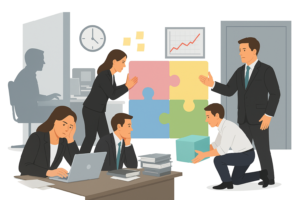 Organizational development is a planned and deliberate effort to improve how an organisation functions by aligning its people, culture, structure and processes with business goals.
In practice, organizational development helps organisations move from where they are today to where they need to be next, while ensuring that people can actually deliver on the strategy.
When leaders ask what is organisational development, they are usually facing one of these realities:
Organizational development addresses these issues by focusing on behaviour, mindset and systems together. Instead of treating problems in isolation, it examines how leadership habits, structures and ways of working either enable or block performance.
Organizational development addresses these challenges by focusing on behaviour, mindset and systems, not quick fixes.
The true organizational development meaning appears in everyday work, not in policy documents or slide decks.
For example:
Instead of blaming employees for resistance, leaders redesign how change is communicated and led
Instead of running random training programs, organisations build capabilities linked directly to business outcomes
Instead of pushing harder for results, managers learn how to enable performance through trust and clarity
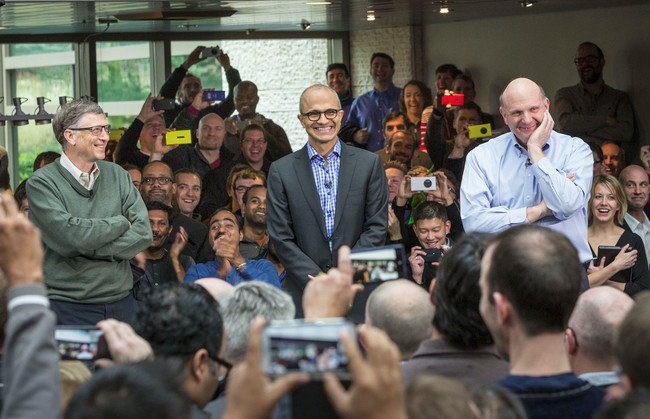 When Satya Nadella took over as CEO, Microsoft moved away from a rigid, internally competitive culture and adopted a growth mindset–driven way of working. This shift went far beyond surface-level change. Leadership behaviour, collaboration and learning practices changed across the organisation.
As a result, Microsoft reignited innovation, improved employee engagement and delivered sustained business growth. This is a clear example of organizational development driving measurable business outcomes.
The importance of organisational development becomes clear when organisations recognise that today’s challenges are fundamentally different from the past. Markets move faster, work models have changed and leadership expectations continue to rise.
Today’s organisations are dealing with:
In this environment, strategy alone cannot drive results. Organisations need the internal capability to execute, adapt and sustain performance. This is where organisational development plays a critical role.
When organisations adopted hybrid work models rapidly, productivity challenges followed. Managers struggled to lead remotely, communication weakened, and trust declined. Organisations that treated this as an organisational development challenge responded by redefining leadership capability, strengthening communication norms, and redesigning performance systems. This deliberate approach helped teams adapt and sustain performance in the new work environment.
Improves organisational agility – Helps teams respond faster to change
Strengthens leadership pipelines – Develops future-ready leaders
Builds a healthy culture – Aligns values with behaviour
Enhances employee engagement – People feel heard, involved, and valued
Drives sustainable performance – Not just short-term wins
Together, these outcomes ensure that organisations do not just survive change, but continue to perform as complexity increases.
The goals of organizational development focus on building organisational capability so performance remains effective as conditions change. Each goal connects directly to everyday workplace realities.
Improve Organisational Effectiveness
Organizational development helps organisations streamline structures and processes so decisions are faster and execution is smoother.
Example: A company reduces repeated approval layers so project teams can make quicker customer decisions without waiting for senior sign-off.
Build Leadership Capability at All Levels
A key goal of organizational development is to equip managers with the skills to lead people, not just manage tasks.
Example: First-time managers learn how to give feedback, handle resistance and lead difficult conversations instead of avoiding them.
Strengthen Collaboration and Communication
Organizational development improves how teams communicate and collaborate across functions.
Example: Sales and operations stop blaming each other because roles, expectations and handoffs are clearly defined.
Enable Sustainable Change
Organizational development ensures that change initiatives are supported by behaviour, systems and leadership alignment.
Example: After a new digital tool is introduced, managers change how they review performance so the tool actually gets used.
Enhance Employee Engagement and Ownership
Another goal of organizational development is to create an environment where employees feel involved and accountable.
Example: Employees participate in problem-solving discussions instead of being informed about decisions after they are made.
Build a Culture of Continuous Learning
Organizational development encourages organisations to reflect, learn, and improve continuously.
Example: Teams review both successes and failures after projects instead of moving on without learning anything.
Together, these goals ensure that organizational development strengthens how the organisation works, not just what it delivers.
The next obvious question becomes: who does what to make this happen?
Organisational development works best when responsibility is shared across the system, not owned by a single function.
Leaders set direction and model the behaviours they expect from others.
Example: When senior leaders demonstrate openness to feedback and learning, managers feel safer adopting the same behaviours with their teams.
Managers translate organisational development goals into everyday actions and decisions.
Example: A manager aligns team goals with organisational priorities and reinforces new ways of working during reviews, not just during change announcements.
Employees contribute to organisational development by engaging with change and taking ownership of new ways of working.
Example: Team members actively participate in cross-functional discussions instead of waiting for instructions to flow top-down.
OD practitioners support the organisation by diagnosing challenges, designing interventions and guiding change.
Example: An OD consultant identifies why collaboration is breaking down and designs targeted interventions instead of launching generic training programs.
Systems and structures reinforce organisational development by supporting desired behaviours.
Example: Performance management systems reward collaboration rather than individual heroics.
Together, these roles ensure that organisational development becomes how the organisation operates, not a one-time initiative or a leadership slogan.
HR plays an enabling role in organisational development by ensuring that people practices support how the organisation needs to function and grow.
In this context, the role of HR in organisational development focuses on:
Rather than operating as a transactional function, modern HR acts as a strategic partner that sustains organisational development by reinforcing the right behaviours, systems and culture over time.
Organizational development typically unfolds in structured stages.
Diagnosis → Planning → Intervention → Evaluation → Sustainment
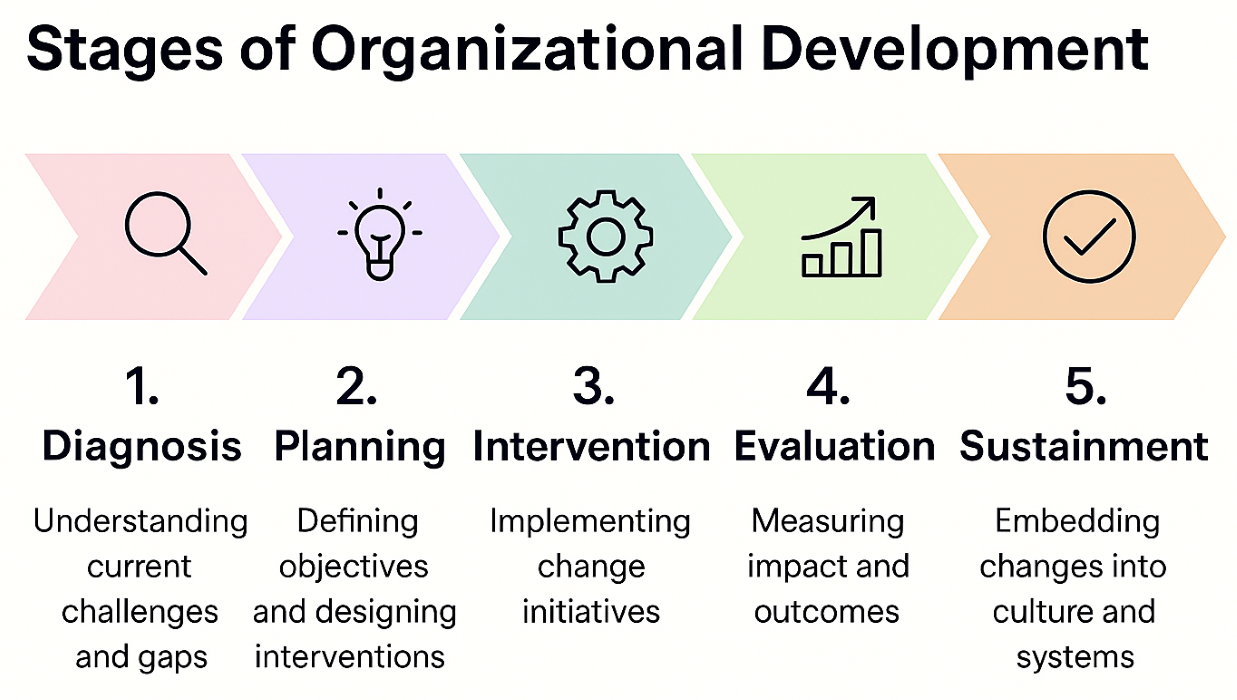
Organisational development is not a one-time initiative, but a continuous cycle. Skipping stages may feel faster. It is also risky.
Most failed change efforts fail because organisations jump straight to action without diagnosis or sustainment.
Organizational development works best when it follows a clear, disciplined process, rather than scattered initiatives.
Think of it as a closed-loop system, not a one-time intervention.
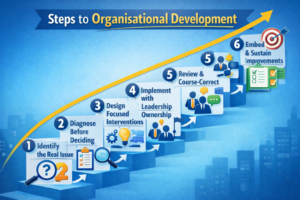
Step 1: Identify the real issue
The process begins when organisations pause and ask the right question. Is the problem poor performance, weak leadership, low engagement, or resistance to change? More importantly, what is actually causing it?
Step 2: Diagnose before deciding
Instead of jumping to solutions, organisations collect data through conversations, surveys, performance patterns and observation. This step separates symptoms from root causes.
Step 3: Design focused interventions
Based on the diagnosis, organisations design targeted actions. These may involve leadership development, role clarity, process redesign, culture interventions, or changes to systems and structures.
Step 4: Implement with leadership ownership
Interventions are rolled out with visible leadership involvement. Managers reinforce new behaviours through everyday conversations, reviews and decisions.
Step 5: Review and course-correct
Organisations track what is changing and what is not. Feedback, performance indicators and employee input help refine the approach rather than abandoning it.
Step 6: Embed and sustain
Successful changes are integrated into policies, performance systems, leadership expectations and ways of working. This ensures that improvements last beyond the initiative.
This process ensures that organizational development remains intentional, practical and sustainable, rather than reactive or cosmetic.
Here’s how organizational development shows up in the real world:
These aren’t isolated activities—they are part of a larger organizational development plan.
Some defining features of effective organization development include:
These features ensure organizational development delivers impact—not just intent.
So, what does organizational development mean in today’s context?
It means building organisations that can learn, adapt and thrive without burning out their people.
Organizational development is not a quick fix.
It is a strategic commitment.
And when done right, it transforms not just how organisations perform—but how people experience work.
If your organisation is serious about growth, resilience and leadership capability, organizational development is not optional—it’s essential.
If you would like to explore this further, we are happy to have a conversation.
📞 India: +91 99677 14310 / +91 87792 84314
📧 info@theyellowspot.com


Blue Arch CHS, Louis School Lane, Four Bungalows, Andheri West, Mumbai – 400053