Team Building
If you don’t learn to work together, you’ll soon learn you’re not growing.
Build trust, improve collaboration and strengthen team performance through experiential team building and team coaching interventions.

Build trust, improve collaboration and strengthen team performance through experiential team building and team coaching interventions.
Alone we can do so little; together we can do so much.
Helen Keller, Author and Advocate
Teams do not struggle due to a lack of competence or intent. They struggle when ways of working become unclear over time.
As organisations evolve, roles change, priorities shift and pressures increase. Collaboration reduces, assumptions take over and conversations become limited. Gradually this impacts trust, alignment and overall performance.
Team building training provides teams with the opportunity to pause, reflect and realign how they work together. This creates clarity, strengthens relationships and improves effectiveness at work.
Team building training is particularly effective when teams experience:
Addressing these challenges early helps teams function more effectively and sustain performance over time.
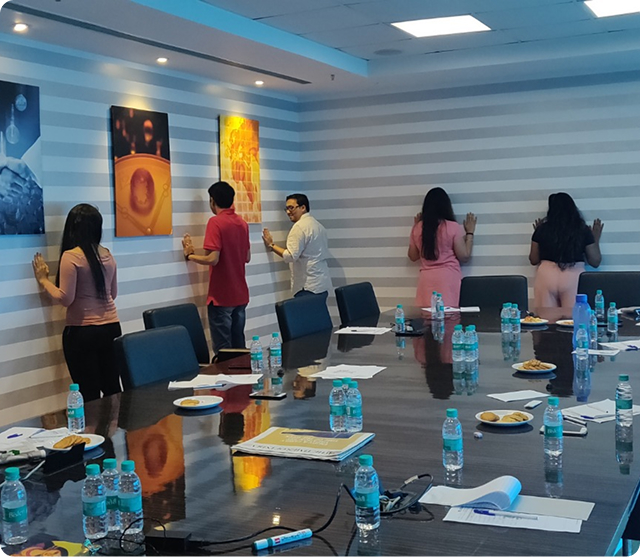
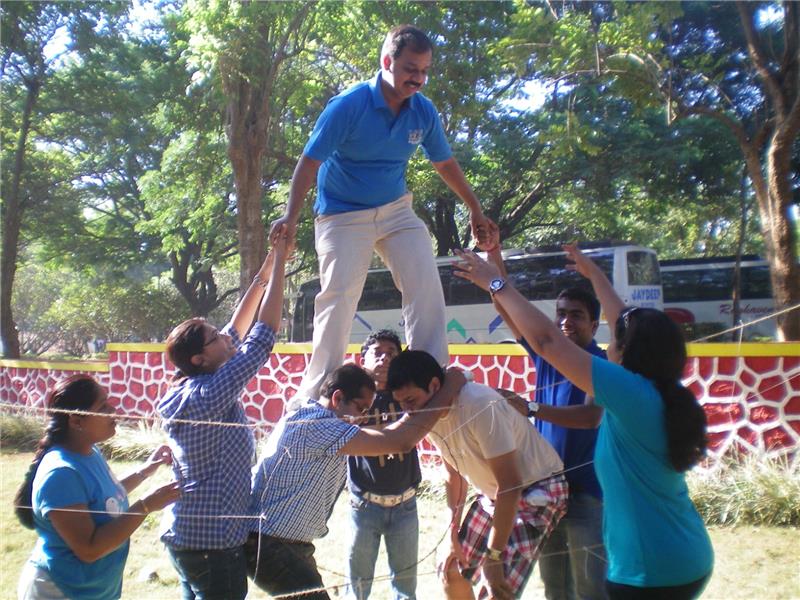
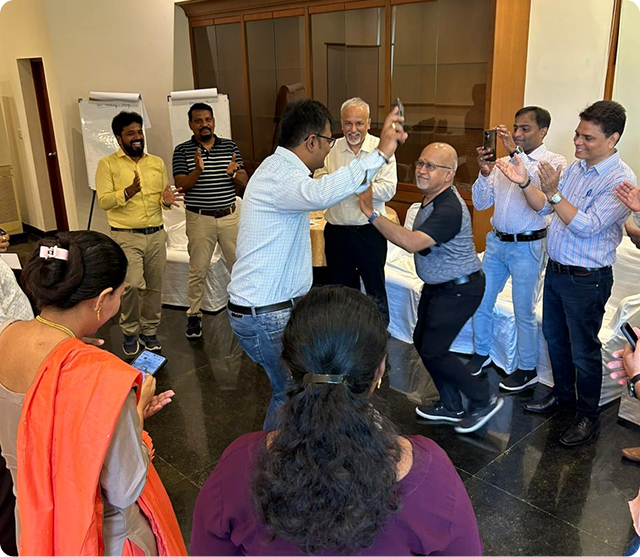
The core team dynamics and ways of working that shape how teams collaborate,navigate challenges and work towards shared goals together.
Themes we commonly work with include:











Effective team building training and coaching create visible shifts in how teams work, not just how they interact.
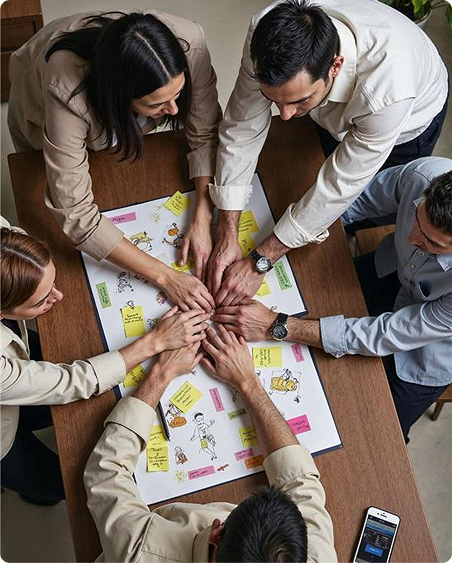
Effective team building training creates visible shifts in how teams operate, not just how they interact.
Teams typically experience
Built around real team dynamics and workplace realities. From team building to team coaching, we create insight, alignment and stronger team effectiveness.
Experiential Learning
Carefully designed experiences that surface real team behaviours and dynamics.
Structured Reflection
Guided reflection to help teams make sense of what is happening and why.
Facilitated Conversations
Safe, purposeful discussions that enable openness, clarity and alignment.
Workplace Application
Clear links between insights and real roles, responsibilities and challenges at work.
Safe and Inclusive Environment
A space that encourages honest participation without judgement.
Customised for Each Team
Designed based on the team’s context, maturity and objectives.
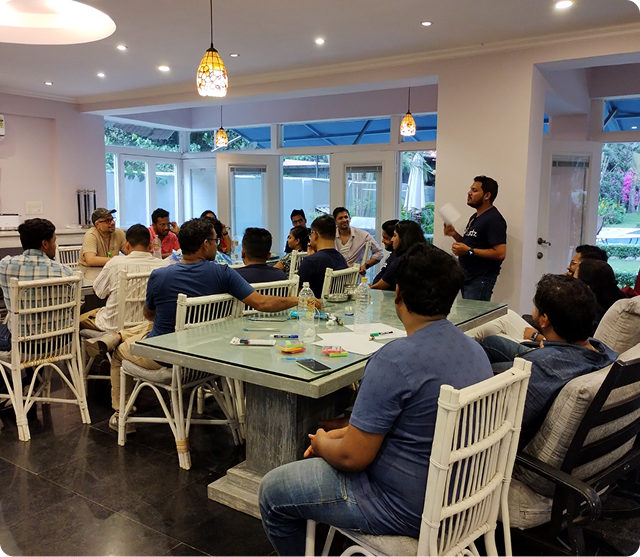
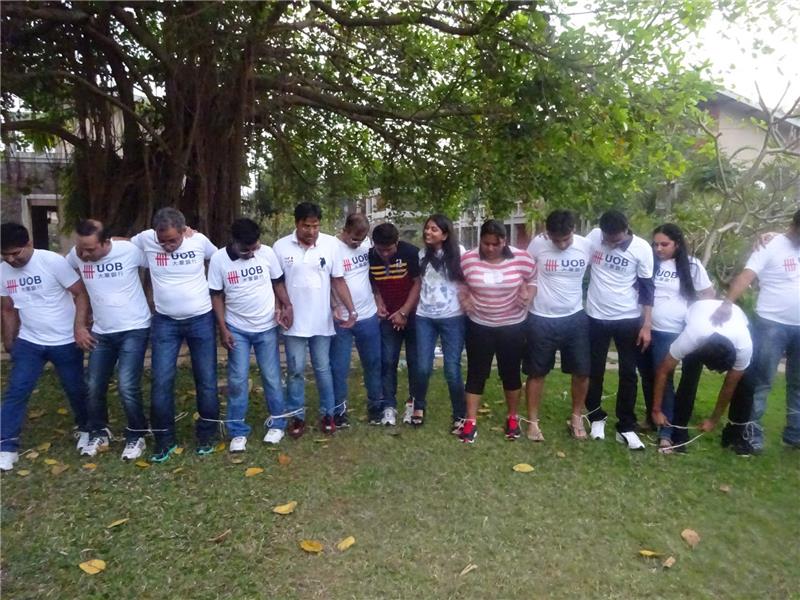
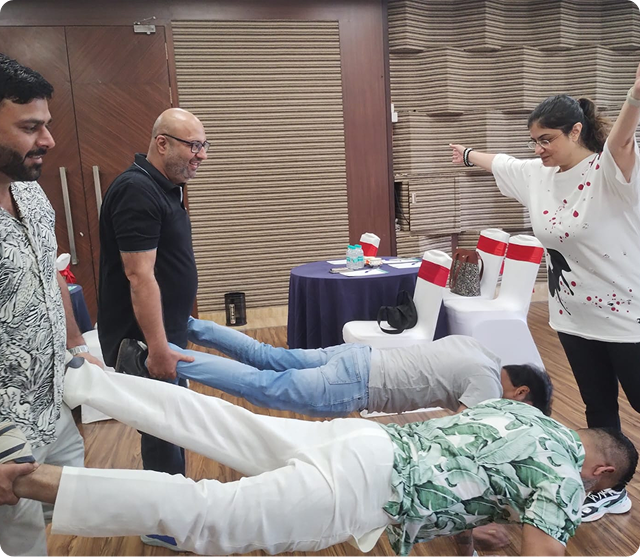
The right team building format depends on the team’s context, objectives and working environment.
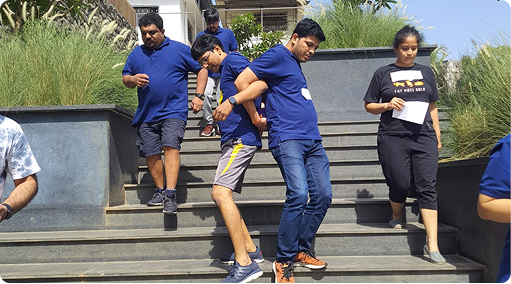
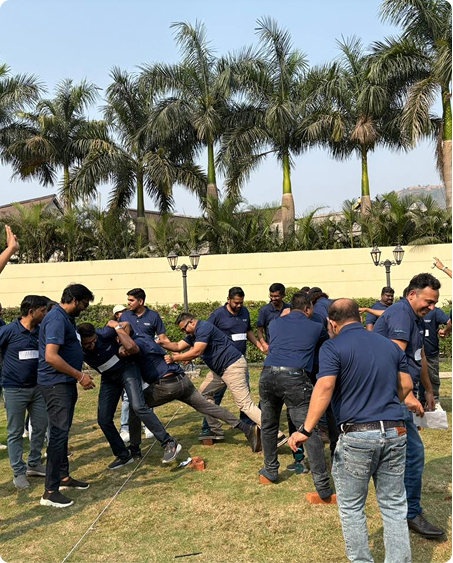
Programs conducted in outdoor settings, supported by facilitated debriefs.
Well-suited when teams need to step away from the work environment and reset how they work together.
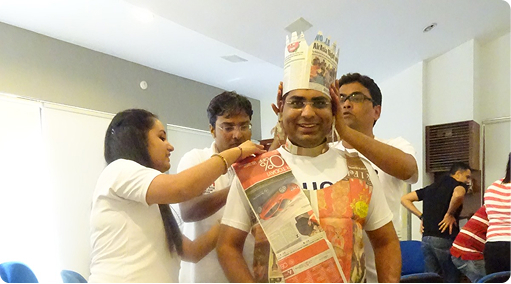
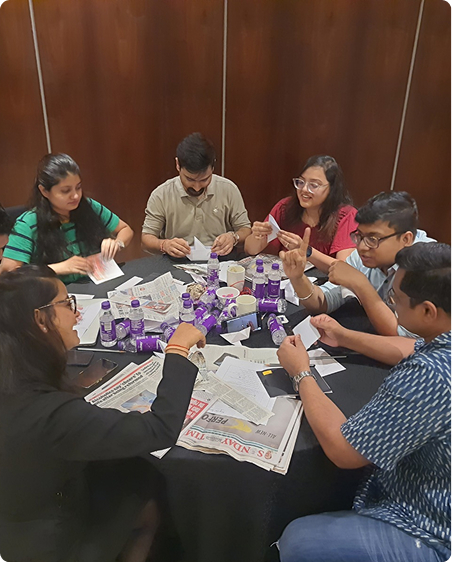
Indoor sessions combining facilitated conversations, experiential exercises and reflection.
Effective when teams need focused alignment within a familiar setting.
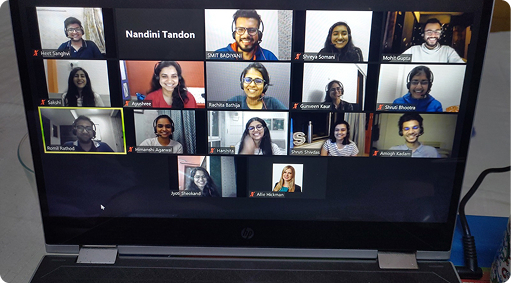
Instructor-led, facilitated sessions conducted online.
Designed for teams working remotely or in hybrid setups across locations.


It was very interactive, the trainer made us comfortable enough to speak in front of the audience. The whole training was amazing, with lots of learning and over all a good experience.
Participant, Team Building Training
Team building training can be valuable for teams at different stages of their journey and facing different workplace realities.
It is particularly valuable for:
Our team building training is designed for teams at different stages of their journey and facing different workplace realities.
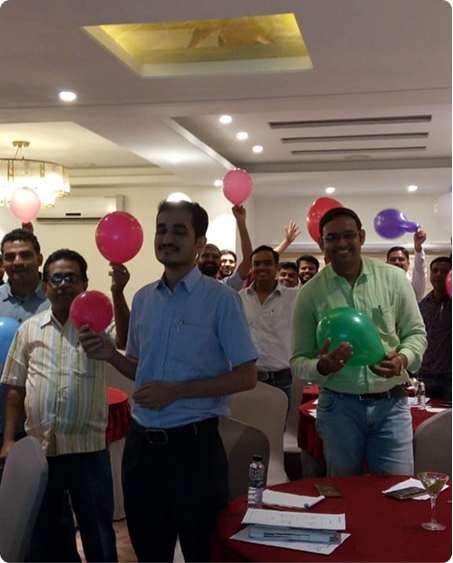
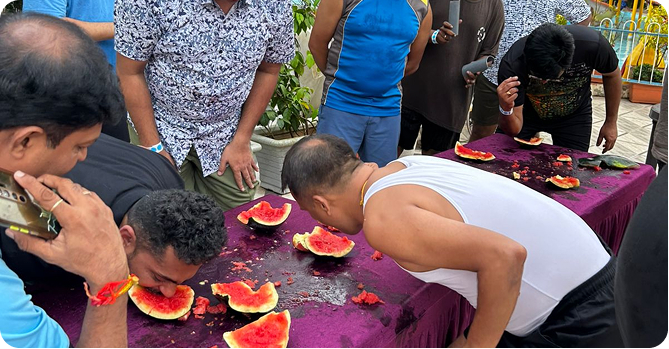
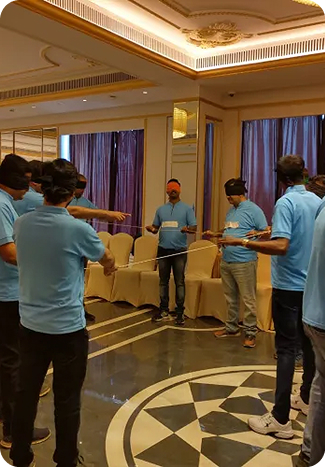
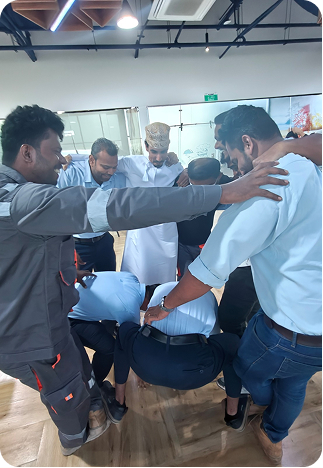
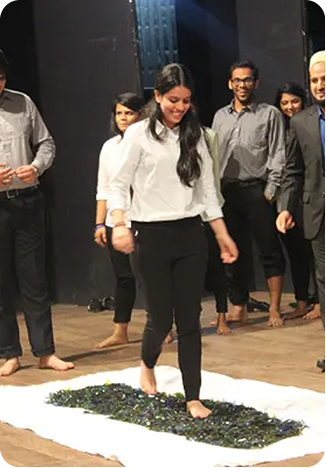
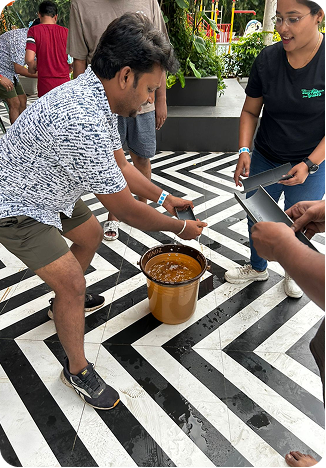
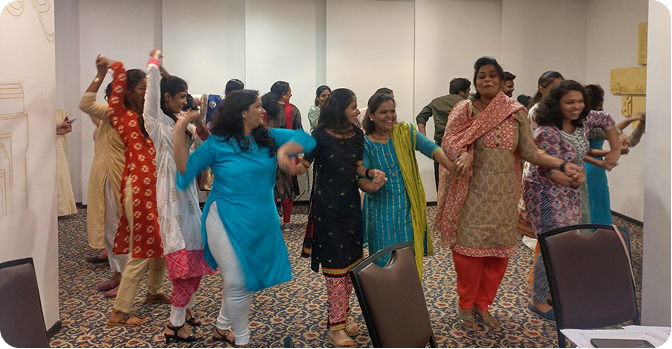
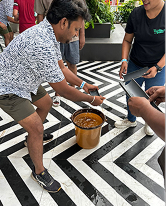
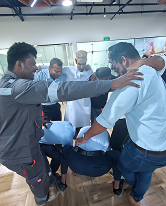

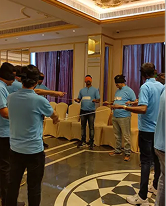
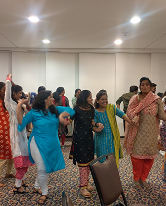
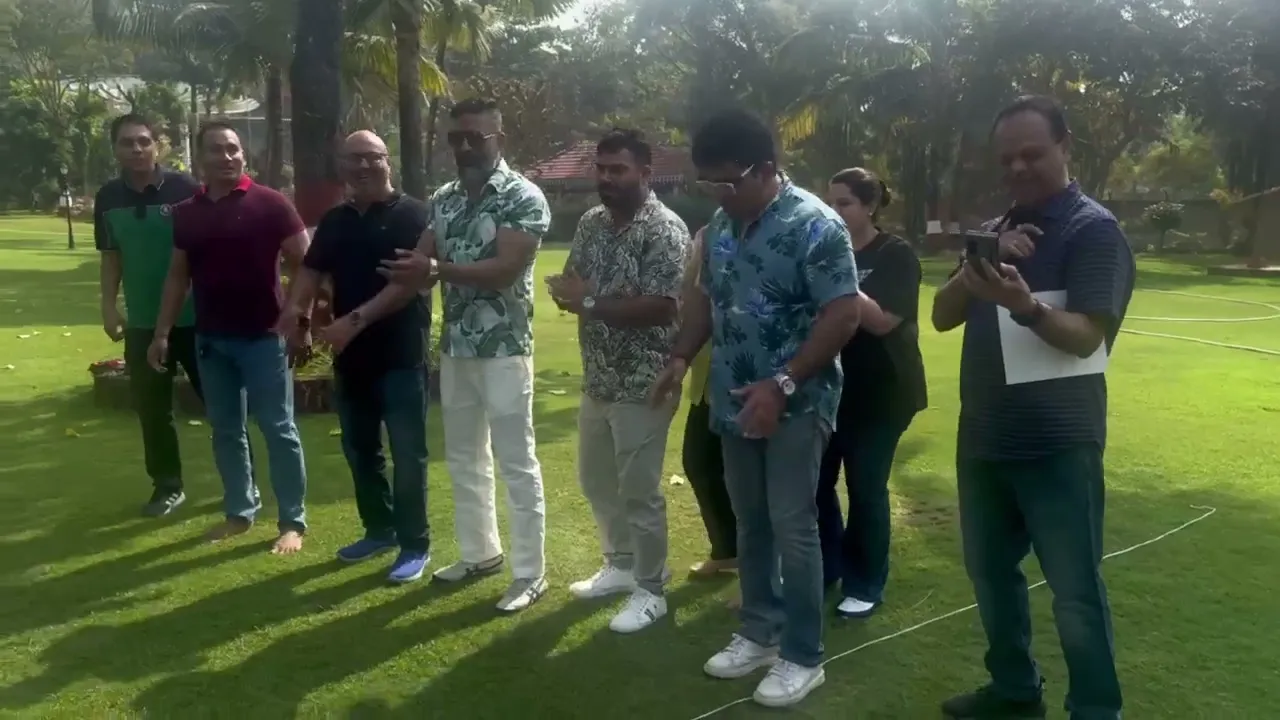


If your team needs stronger connection, better collaboration or a fresh reset, team building training is often the right starting point. It helps surface team dynamics, create awareness and build momentum through shared experiences. If your team is dealing with recurring conflict, trust breakdowns or deeper alignment issues, team coaching may be the better fit. It works over time to help teams address, shift and embed stronger ways of working together.
Yes. Team building programs can be designed for teams spread across locations and geographies. The format and design are adapted to ensure meaningful interaction, shared experiences, and alignment despite physical distance.
Virtual team building uses a mix of facilitated conversations, experiential exercises, simulations, reflective activities, and collaborative tasks. These are designed specifically for online environments and do not rely on physical movement or outdoor setups.
All sessions, whether inbound, outbound, or virtual, are designed to be highly interactive. Participants are actively involved through discussions, group work, reflection and guided exercises rather than passive listening.
Programs are designed after understanding the team’s context, challenges and objectives. This helps ensure the focus areas, format and facilitation approach are aligned to what the team needs at that point in time.
Every team faces unique challenges, works in a different context and needs a different approach.
Our team interventions begin with conversations with key stakeholders to understand the team’s current reality, goals and expectations. Based on this, we recommend the most relevant focus areas, methodology and format.
If you’re looking to strengthen how your team works together, we’d be happy to explore what would work best for your team.
Every team faces unique challenges, works in a different context and needs a different approach.
Our team interventions begin with conversations with key stakeholders to understand the team’s current reality, goals and expectations. Based on this, we recommend the most relevant focus areas, methodology and format.
If you’re looking to strengthen how your team works together, we’d be happy to explore what would work best for your team.