
Close
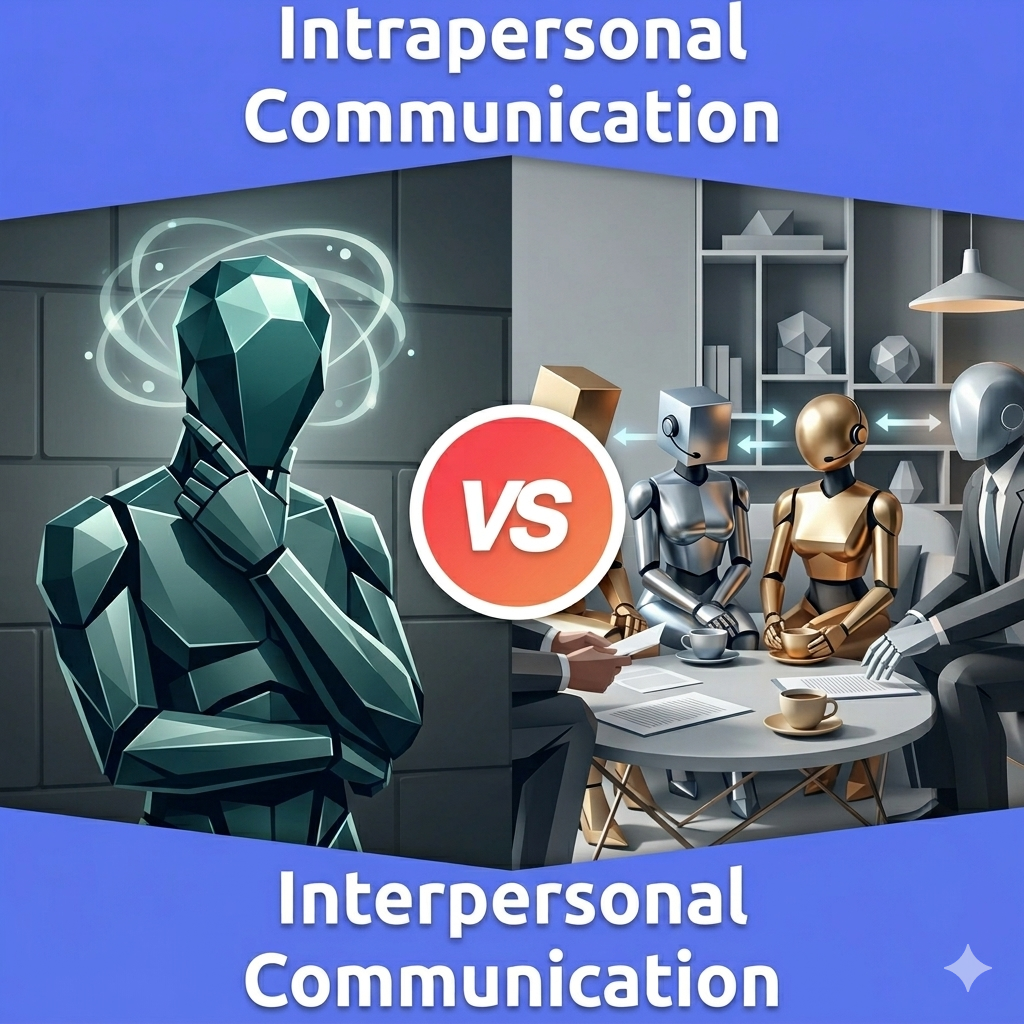
Be it workplace or our life, success is often linked to how well we interact with others and how well we understand ourselves. It is all about Interpersonal and intrapersonal skills. While these words sound similar, they serve very different purposes in personal and professional growth.
If you have ever wondered about interpersonal vs intrapersonal abilities, the distinction is fairly simple: one focuses on how you connect with others, while the other focuses on how you understand yourself. Both are essential for leadership, collaboration, decision-making and long-term career growth. And ofcourse equally important when it comes to our personal relationships too.
This article breaks down the interpersonal skills meaning, explores what are intrapersonal skills and explains what is the difference between interpersonal and intrapersonal abilities.
 Interpersonal skills are the abilities that help individuals communicate, interact and build relationships with other people in personal and professional settings.
In simple terms, they are the social skills that determine how effectively you connect with colleagues, clients, teams and also with your family, friends, neighbours, relatives etc.
Interpersonal skills basically make communication smoother and relationships stronger.
Think about a time when you listened carefully to a team member and encouraged them to share their thoughts. Because they felt heard, they became more confident in expressing their ideas. Moments like these show how interpersonal skills influence trust, openness and teamwork.
These small gestures make a lot of difference. Good interpersonal skills help you avoid conflicts or if one happens, then deal with it in a good way.
Collaboration automatically improves when you show empathy in conversations. Strong interpersonal abilities often determine how well someone works in a team environment.
Common interpersonal skills include:
This one is very simple. When someone is explaining a problem, you do not interrupt or jump to solutions. You listen fully, nod and then respond thoughtfully. This makes them feel heard and respected.
You are discussing timelines with your team and instead of giving vague instructions like “finish this soon,” you clearly say “please complete this by 4 PM today and share the update. This avoids confusion and saves time.
When a team member seems stressed or unusually quiet, you check in with them and say, “You seem a bit off today, everything okay?” This shows care and builds trust.
If two teammates disagree, you help them focus on the issue rather than blaming each other and guide them toward a solution that works for both.
During a group discussion, you actively contribute your ideas and also encourage others to share theirs, ensuring everyone feels included.
After meeting someone at an event, you stay in touch by sending a simple message or sharing something useful, gradually building a professional relationship.
When you have a great idea, start by explaining its benefits clearly and address concerns if any so that others feel comfortable supporting it.
While these skills may seem simple, they play a powerful role in shaping workplace relationships and career growth.
Now let us see how these skills are important and how they help in everyday situations.
Think about the examples we just saw. Each of them may look small, but they have a big impact on how people experience working with you.
When you listen properly, people open up more.
When you communicate clearly, work moves faster.
When you show empathy, trust builds naturally.
On the other hand, when these skills are missing, even simple situations can become difficult. Misunderstandings increase, small disagreements turn into bigger issues and teamwork starts to feel like a struggle.
In the workplace, this directly affects how smoothly things get done. People who are easy to work with, who handle conversations well and who build good relationships are often the ones others prefer to associate with.
For leaders, this becomes even more important. A leader’s ability to understand people and communicate effectively can make the difference between a team that just works and a team that performs well together.
So while these skills may seem basic, they quietly shape how you work with others and how others respond to you.
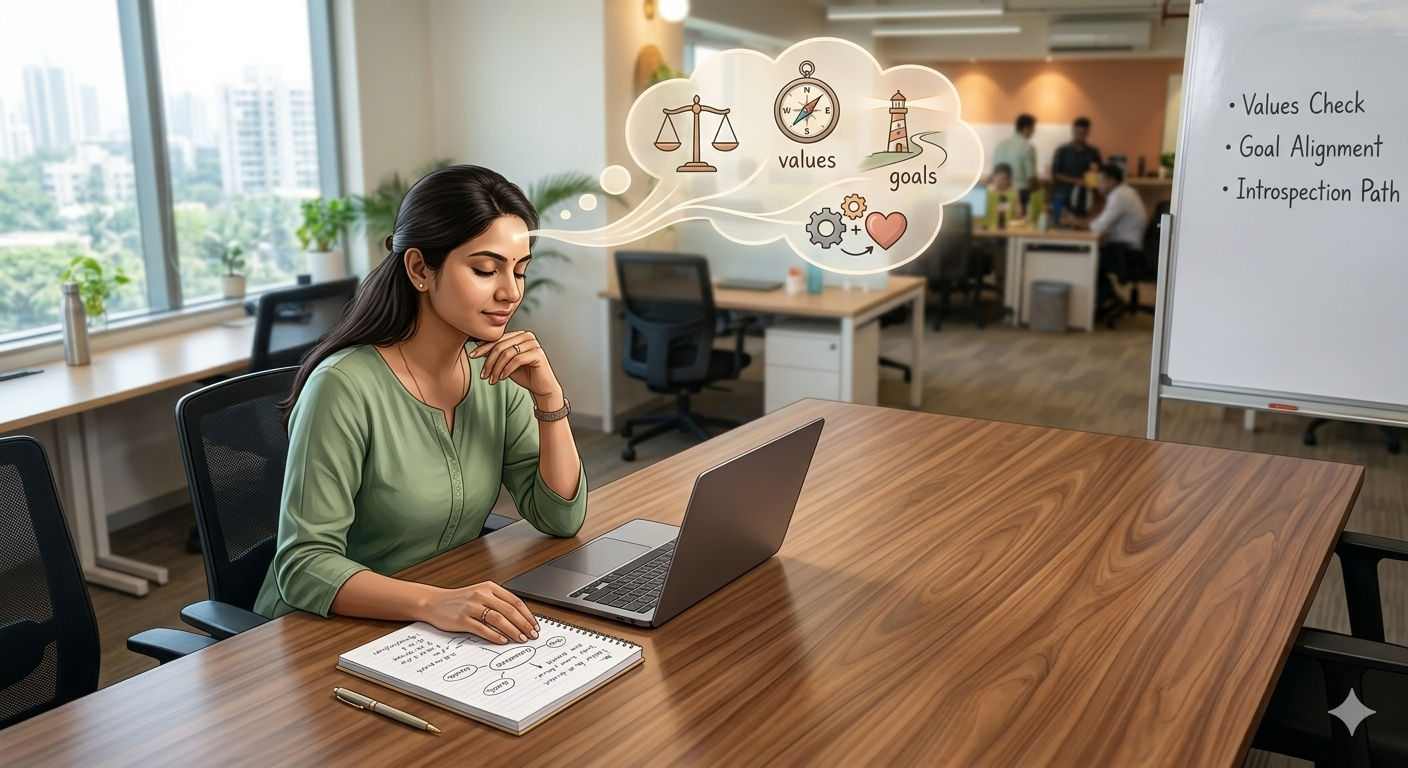
While interpersonal abilities deal with others, intrapersonal skills focus inward. They are your internal abilities which help you to understand your own thoughts, emotions, motivations and behaviours.
In simple terms, these are the skills that help you “deal with yourself.”
So when people ask what are intrapersonal skills, the answer lies in self-awareness and self-management. These skills help you pause, reflect and respond instead of reacting instantly.
For example, think about a situation where you felt frustrated but chose not to react immediately. Instead, you took a moment, understood what you were feeling and then responded calmly. That is intrapersonal skill in action.
People with strong intrapersonal abilities usually have clarity about what they want, what matters to them and how they tend to respond in different situations.
Some common examples of intrapersonal skills include:
You recognise that you tend to get impatient in long meetings, so you consciously make an effort to stay focused and present. That is self-awareness.
When you receive critical feedback, you resist the urge to react defensively and instead take time to process it calmly. You are regulating your emotions here.
Even when no one is checking on you, you complete your work because you have set your own standards. You don’t need people to motivate you. You are doing it yourself
At the end of the day, you think about what went well and what you could have handled better. That is personal reflection.
You break down a big goal into smaller steps and track your progress regularly. That is systematic Goal Setting.
You plan your day in advance so that important tasks don’t get pushed aside. You are effectively managing your time.
When plans change suddenly, you stay calm and try to accept and adjust instead of getting stuck or frustrated. You are being adaptable.
Thus you are now slowly trying to understand your patterns and make better choices over time.
Now let us see how these skills are important and how they help in everyday situations.
Think about the examples above. These are the moments where you are managing yourself, not others.
When you are aware of your emotions, you don’t react impulsively which automatically avoids conflicts.
When you can regulate yourself, you handle pressure better.
When you are self-motivated, you don’t depend on others to push you.
Without these skills, even small situations can feel overwhelming. Stress builds up faster, decisions become rushed and it becomes harder to stay consistent.
For leaders, this becomes even more important. If you are not clear about your own thoughts and emotions, it becomes very difficult to guide others effectively.
So while these skills are internal, their impact is visible in everything you do.
By now I think you have a fair idea about the difference in interpersonal skills and intrapersonal skills. All you need to do is look where the focus lies.
| Aspect | Interpersonal Skills | Intrapersonal Skills |
| Focus | Interaction with others | Understanding oneself |
| Core Ability | Communication and relationship building | Self-awareness and reflection |
| Application | Teamwork, collaboration, leadership | Personal growth, emotional regulation |
| Key Strength | Social intelligence | Self-management |
When you handle a disagreement calmly with a colleague, that is interpersonal.
When you manage your own frustration before responding, that is intrapersonal.
Another way to look at it is:
Interpersonal skills help you build strong relationships.
Intrapersonal skills help you build a strong sense of self.
Both are different, but they are closely connected. Let us see how.
These are two different words with separate meanings. But rather than seeing these as separate, let us see how they support each other.
For example:
Let me explain how. Think of a day you were feeling unusually irritated in a meeting. Instead of snapping, you recognized you were stressed from a deadline. So you took a deep breath and calmed your mind. You avoided a conflicting situation.
On another day, when a colleague becomes defensive, you are more likely to remember how you felt under pressure. So instead of reacting sharply, you respond with more understanding.
It was appraisal day and you had to give feedback to a team member. You may have felt uncomfortable or frustrated.
Instead of avoiding the conversation or speaking harshly, you stayed calm and focused on what needed to be said. You chose your words carefully and kept the discussion respectful. This made the conversation more productive and easier for both sides.
Before sharing an idea in a meeting, you take a few minutes to think about what you really want to say. You ask yourself what the key message is and what outcome you are aiming for. Because your thoughts are clear, you are able to explain your idea in a simple and structured way. Others understand you better and respond more positively.
When you feel confident with yourself while speaking in front of clients or senior leaders, you do not over explain or seek constant approval. You listen carefully, speak with clarity and stay composed. This creates trust and makes your presence more impactful.
In short, how you show up with others depends on how well you understand yourself.
A person who is aware of their triggers, strengths and habits is far more likely to build meaningful relationships and handle situations effectively.
Now both sets of skills can be developed with small, consistent effort.
Improving Interpersonal Skills
You can start with simple actions like:
Paying full attention when someone is speaking
Noticing body language and tone, not just words
Asking for feedback and actually listening to it
Trying to see situations from the other person’s point of view
Taking part in discussions instead of staying silent
Over time, these small changes make interactions smoother and more effective.
Improving Intraperso nal Skills
This requires slowing down and paying attention to yourself.
You can build these skills by:
Writing down your thoughts to understand them better
Setting clear personal and professional goals instead of vague intentions
Taking a few minutes to reflect on your day
Noticing what triggers strong emotional reactions
Asking yourself “why did I respond this way?”
Over time, this self-awareness strengthens decision-making and emotional intelligence.
Understanding the difference between interpersonal and intrapersonal skills is key to both personal and professional growth.
Interpersonal skills help you connect, communicate and work effectively with others.
Intrapersonal skills help you understand, manage and improve yourself.
The real advantage comes when you develop both together.
When you can understand yourself well and also connect well with others, you naturally become more effective in your work, your relationships and your leadership.
In today’s fast-changing environment, these are not “nice to have” skills anymore, they are “must haves”.
If you would like to explore this further, we are happy to have a conversation.
📞 India: +91 99677 14310 / +91 87792 84314
📧 info@theyellowspot.com